Why Are Recipe Blogs So Long?
You want to make chocolate chip cookies. You search for a recipe. You click the first result. And then, before you can find out how much butter you need, you read about a woman's trip to Vermont, her grandmother's kitchen, the specific autumn afternoon that changed her relationship with baked goods, and a lengthy meditation on the nature of comfort food.
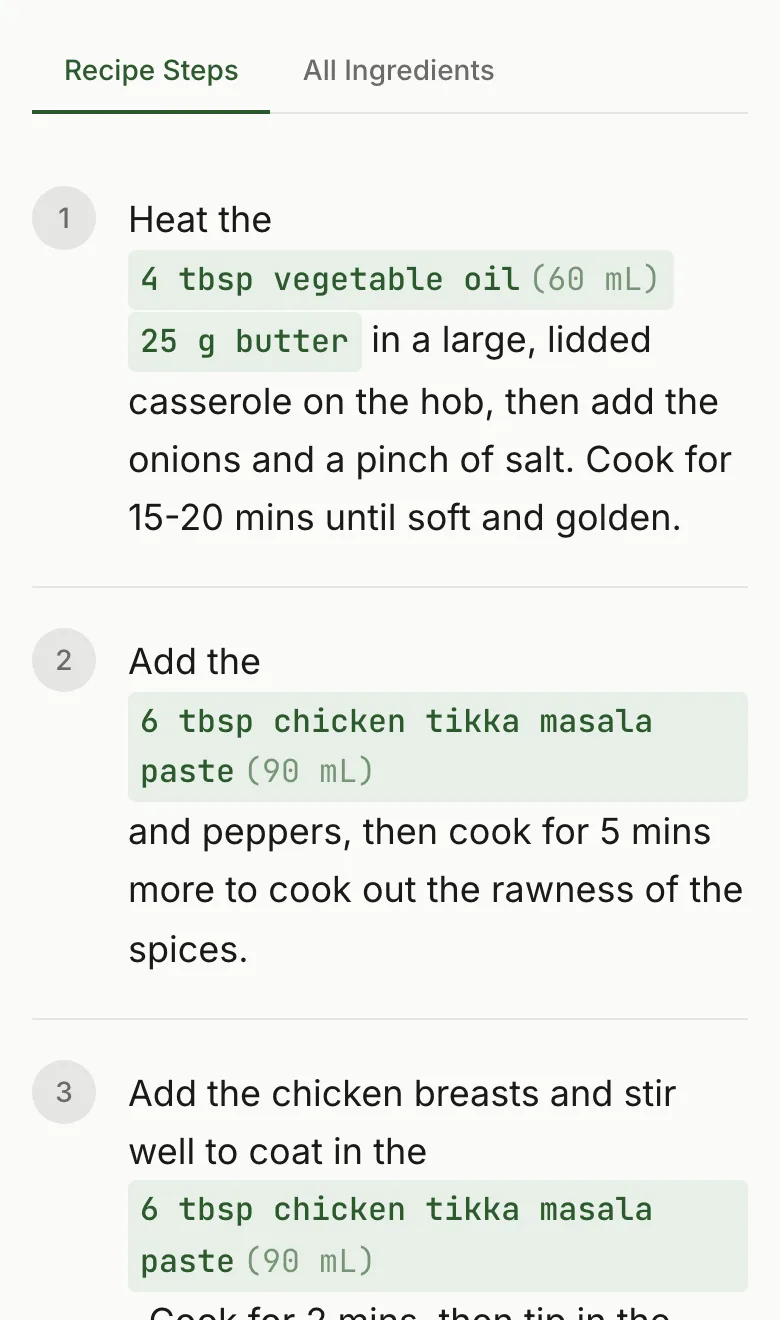
This is not an accident. It is a business decision — a rational response to how Google and digital advertising work. Understanding why recipe blogs are so long won't make the scrolling less annoying, but it might help you be slightly less furious about it.
The Google Problem
Search engine optimization (SEO) is the art of making Google rank your page higher than your competitor's. For much of the 2010s, one of the clearest signals Google used to evaluate content quality was length. Longer content correlated with more expertise, more depth, and more value — at least in theory.
Recipe bloggers noticed this. A post with 2,000 words ranked better than one with 300 words, even if those extra 1,700 words were a travel diary that had nothing to do with cooking. Google has refined its algorithm since then, but the length correlation is still real enough that every serious food blogger writes long posts by default.
There's also the concept of "dwell time" — how long a visitor stays on a page before returning to Google search results. Longer pages naturally produce longer dwell times. Google interprets extended dwell time as a signal that the page satisfied the user's query. So the backstory serves a structural purpose: it keeps you on the page long enough to make Google happy.
The Ad Revenue Math
Here's where it gets concrete. Most recipe blogs run display ads through networks like Mediavine or AdThrive. These networks pay on a CPM basis — cost per thousand impressions — meaning bloggers earn money every time an ad is seen by a reader.
CPM rates for food content typically range from $5 to $15 depending on the season, the audience demographics, and the network. A post with six ad placements spread across 2,000 words earns roughly three times as much per visitor as a 300-word post with two ad placements. The math is simple: more scroll distance equals more ad slots equals more money.
A successful food blogger getting 500,000 monthly page views at a $10 CPM earns $5,000 a month purely from impressions — before affiliate links, sponsored content, or cookbook deals. Compress every recipe to 300 words and that number drops dramatically. The life story isn't padding. It's revenue.
The WordPress Plugin Factor
There's a technical dimension to this too. Most recipe blogs run on WordPress with plugins like WP Recipe Maker, Tasty Recipes, or WPRM. These plugins generate the structured "recipe card" at the bottom — the clean box with ingredients and instructions that Google uses to display rich results in search.
The plugins are designed to sit below the regular blog post content. They're an add-on to the post, not a replacement for it. This creates an incentive structure where the recipe card is almost an afterthought — the main content is whatever the blogger writes above it. And because SEO rewards longer main content, the blog post above the recipe card tends to expand indefinitely.
Some bloggers have experimented with putting the recipe first. The consensus from the SEO community: it hurts rankings. Google appears to weight content that appears earlier on the page more heavily, and "content" means prose, not a structured recipe card. So the life story stays at the top.
Jump to Recipe Buttons Are a Concession
The "Jump to Recipe" button that now appears near the top of most food blogs wasn't invented out of generosity. It was a response to reader frustration becoming so loud that it threatened engagement metrics. Too many people were hitting back immediately after clicking, which hurts bounce rate.
The Jump to Recipe button is a compromise: let impatient users skip straight to the recipe, but keep the long-form content for Google's crawlers and the readers who actually do want the backstory. Both audiences are served. The blogger doesn't have to choose between SEO and user experience.
The button doesn't appear on every site. Smaller blogs often skip it. And even when it appears, clicking it still leaves you on a page full of ads and autoplay videos — you've just been deposited closer to the recipe card rather than given a clean version of it.
To Be Fair to Food Bloggers
It would be easy to characterize food bloggers as cynically manipulating their readers for profit. That framing isn't quite right. Most of them are playing a game that Google and the ad industry created. They didn't invent the rules — they're responding to incentives that were built by other people.
Many food bloggers genuinely enjoy writing. The personal essays about their grandmother's kitchen aren't fake — they're real memories attached to recipes that actually matter to the writer. The fact that these stories also happen to improve SEO doesn't make them insincere.
The system is what's broken. When the incentive structure rewards length over utility, rational people produce long content. Blaming individual bloggers for this is like blaming drivers for traffic — the individual behavior makes sense given the system, even if the aggregate result is miserable for everyone.
What's Actually Changing
Google has been trying to fix this for years. The "helpful content" updates of 2022 and 2023 were explicitly aimed at penalizing content that exists to rank rather than to inform. There's evidence these updates hit some food blogs hard. But the long-form recipe post format is so entrenched that it hasn't changed meaningfully. The economics still work. The posts are still long.
Some newer recipe sites are experimenting with a different model: clean, minimal, no ads, subscription-supported. NYT Cooking is the most prominent example. Paid subscriptions create an incentive to optimize for reader experience rather than ad impressions. But most food bloggers aren't in a position to build a subscriber base — they depend on ad revenue, which means they depend on length.
That's why we built RecipeStripper — because you shouldn't have to read someone's vacation story to make chocolate chip cookies.
Try RecipeStripper
Paste a public recipe URL and get clean, ad-free cooking instructions with ingredient quantities embedded in every step.